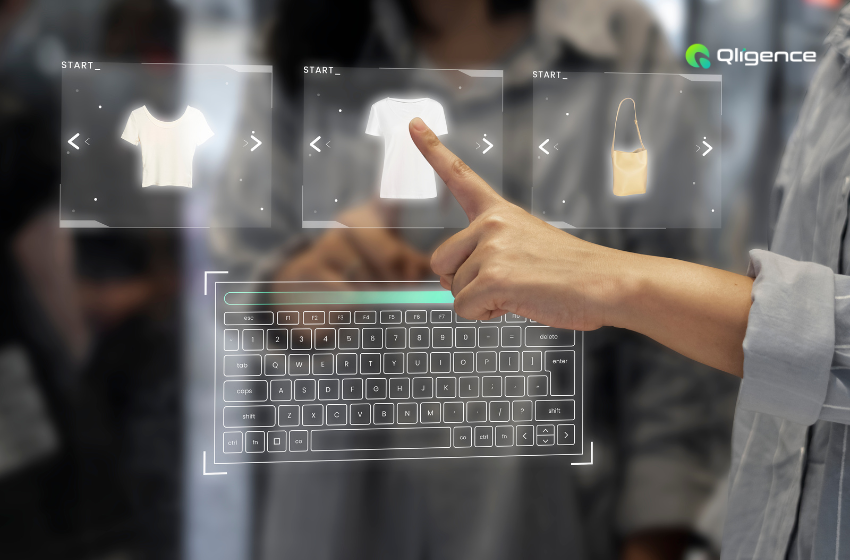

10 Ways Mobile App Development is Shaping Consumer Behavior in 2025
In 2025, mobile apps have seamlessly woven into everyday life's fabric, reshaping how people interact with businesses, purchase, and consume content. With rapid advancements in technology, mobile app development plays a pivotal role in influencing consumer behavior.
Suppose You’re standing in a checkout line at your favorite store, but instead of pulling out cash or a credit card, you tap your phone. Or maybe you’re at home, trying to visualize how a new sofa might look in your living room, and a mobile app shows you exactly how it fits. These scenarios aren’t from a distant future—they’re part of everyday life in 2025, thanks to the transformative power of mobile apps.
Did you know that the global app economy is projected to surpass $935 billion by 2025? Mobile apps have become indispensable tools that influence everything from how we shop and learn to how we interact with brands and manage daily tasks. This evolution isn’t just about convenience; it’s about creating experiences that resonate deeply with users.
In this article, we’ll explore ten significant ways mobile app development shapes consumer behavior. From personalized shopping journeys to the integration of augmented reality, these trends reveal how businesses leverage technology to meet consumer expectations and build lasting connections. Let’s dive in and uncover how mobile apps are redefining the way we live and engage with the world around us.
1. Personalized Shopping Experiences
Mobile apps harness (AI) and machine learning to craft individualized shopping journeys. By analyzing user preferences, browsing habits, and purchase history, platforms like Amazon suggest products that align with specific needs, making shopping more intuitive and satisfying. Retailers like Sephora have integrated AI into their apps to offer personalized product recommendations based on user's past purchases and preferences, enhancing the shopping experience.
2. Instant Solutions with On-Demand Services
The rise of on-demand apps like Uber and DoorDash reflects the growing consumer expectation for immediate results. These apps provide instant access to transportation, food delivery, and more, setting a benchmark for convenience and efficiency that businesses strive to meet. Beyond transportation and food delivery, apps like TaskRabbit provide users with immediate access to freelancers for various tasks, reflecting the expanding scope of on-demand services.
3. Meaningful Customer Engagement Through Notifications
Push notifications have evolved into strategic tools for maintaining user interest. By sending timely and relevant updates—such as exclusive offers or reminders—apps ensure they remain top of mind without overwhelming users. For instance, a food delivery app might send a discount during lunch hours, prompting quick decisions. Fitness apps such as Nike Training Club send personalized workout reminders and motivational messages, keeping users engaged and committed to their fitness goals.
4. The Shift to Mobile Payments
The adoption of digital wallets like Apple Pay and Google Pay has revolutionized financial transactions. These payment methods offer speed and security, encouraging consumers to embrace cashless transactions and fostering trust in mobile payment systems. In addition to digital wallets, apps like Venmo and Cash App have popularized peer-to-peer transactions, making it easier for consumers to split bills and transfer money instantly.
5. Accessible Learning Through Apps
Educational apps have turned mobile devices into virtual classrooms. Platforms like Duolingo and Coursera provide engaging and flexible ways to acquire new skills, empowering users to learn anytime and anywhere without compromising quality. Language learning apps like Babbel offer interactive lessons tailored to individual learning paces, making education more accessible and personalized.
6. Fostering Loyalty Through Gamification
Gamification has emerged as a creative approach to enhancing user engagement and loyalty. Apps incorporate features such as challenges, rewards, and progress tracking to motivate users. For example, Starbucks leverages a gamified rewards program to keep customers coming back. Health-focused apps like Fitbit use gamification by awarding badges and celebrating milestones, encouraging users to maintain healthy habits.
7. Social Media Integration Driving Trends
Mobile apps with integrated social media features encourage users to share content effortlessly. Platforms like Instagram and TikTok empower individuals to influence trends and promote brands organically, creating a ripple effect of engagement and visibility. Platforms like Pinterest allow users to discover products through shared images, influencing purchasing decisions and driving trends through visual inspiration.
8. Transformative Shopping Experiences with Augmented Reality
Augmented reality (AR) has revolutionized how consumers interact with products. Apps like IKEA Place allow users to visualize furniture in their homes, while beauty apps enable virtual makeup try-ons. This immersive experience helps consumers make confident and informed decisions. Fashion retailers are utilizing AR to let customers virtually try on clothes, reducing return rates and increasing confidence in online purchases.
9. Localized Services Tailored to Users
Mobile apps leverage GPS technology to deliver hyper-localized offers and services. By targeting users based on location, businesses can provide relevant deals—whether it’s a nearby restaurant promotion or same-day delivery—encouraging swift action and increasing satisfaction. Event discovery apps like Eventbrite use location data to suggest nearby events and activities, providing users with personalized and timely recommendations.
10. Insights That Shape Consumer Choices
Mobile apps collect data to better understand user behaviors and preferences. This data-driven approach helps businesses provide personalized marketing and product recommendations. Transparency and ethical practices in data use are crucial for maintaining consumer trust and loyalty. Streaming services like Netflix analyze viewing habits to recommend content, enhancing user satisfaction through personalized suggestions.
Conclusion
Mobile apps are not just technological tools; they are agents of change that influence consumer habits and expectations. Businesses that embrace these trends can build deeper connections with their audiences and create meaningful experiences. For those ready to make an impact, Qligence offers expertise in developing innovative, user-friendly mobile apps that align with your business goals.
Let’s work together to shape the future of consumer engagement.