OneERP – One Solution, Total Control
Enterprise Resource Planning (ERP) software is a critical tool for businesses looking to streamline operations, improve efficiency, and enhance decision-making. However, choosing the right ERP system can be overwhelming due to the vast number of options available. Many businesses struggle with selecting an ERP solution that aligns with their needs, resulting in wasted time and resources.
Suppose you’re running a growing business, juggling multiple departments, and relying on outdated spreadsheets or disconnected software to manage everything. Deadlines are missed, inventory errors pile up, and your team struggles with inefficiencies. Sound familiar? If so, you're not alone. Studies show that nearly 50% of ERP implementations fail on the first attempt due to poor planning and selection. Choosing the right ERP software is one of the most crucial decisions for your business, yet it can be overwhelming with so many options available.
In this guide, we’ll break down everything you need to know about selecting an ERP system that fits your business. We’ll cover the essential factors to consider, different types of ERP solutions, and expert tips to ensure a smooth implementation. Let’s make ERP selection simple and stress-free!
Understand Your Business Requirements
Before evaluating ERP solutions, closely examine your company’s operations. Think of your business as a finely tuned machine where each part plays a critical role. Identify processes that need improvement—whether it’s inventory management, order processing, or customer service—and list the functionalities that can bring clarity and efficiency. This self-reflection lays the groundwork for selecting a solution that genuinely fits your needs.
Identify Essential ERP Features
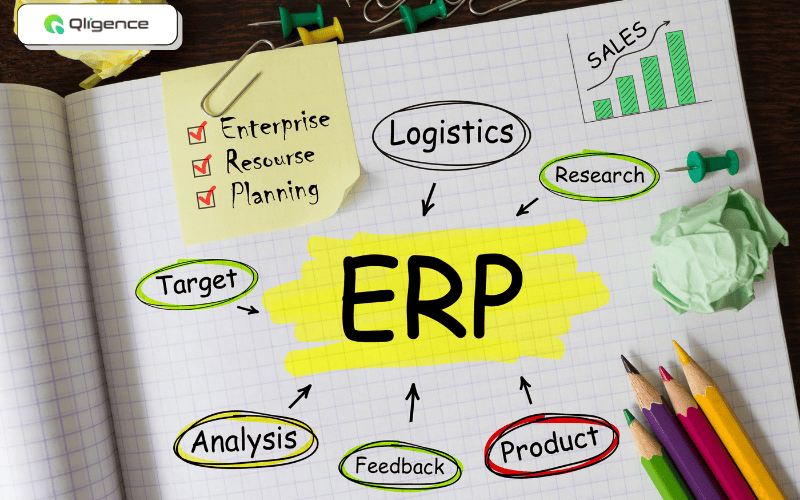
ERP systems offer a range of modules that help centralize information. Consider whether you require modules for finance, human resources, supply chain, or project management. Focus on the specific features that can simplify everyday tasks and improve data accuracy. For instance, if real-time financial reporting is crucial for your decision-making, ensure the system provides comprehensive and accessible analytics.
How to Choose the Right ERP Software for Your Business – A Complete Guide
Why Choosing the Right ERP is Important?
Selecting the right ERP software is crucial because it directly impacts business performance. A well-integrated ERP system can:
1. Improve operational efficiency
2. Automate and streamline business processes
3. Enhance data accuracy and reporting
4. Reduce manual errors and redundancies
5. Improve decision-making with real-time insights
On the other hand, choosing the wrong ERP system can lead to inefficiencies, high implementation costs, and frustration among employees.
Key Factors to Consider When Choosing ERP Software
1. Identify Your Business Needs
Before selecting an ERP solution, you must first assess your business requirements. Ask yourself:
a. What are the primary pain points in my current processes?
b. What features and functionalities do I need?
c. Will the ERP support future business growth?
2. Cloud vs. On-Premise ERP
There are two main types of ERP systems:
a. Cloud-based ERP: Hosted on remote servers and accessed via the internet. Ideal for businesses looking for scalability, lower upfront costs, and remote access.
b. On-premise ERP: Installed on local servers, offering greater control but requiring higher maintenance costs.
3. Scalability & Flexibility
A good ERP system should grow with your business. Choose software that allows customization, supports multiple users, and can integrate with new technologies as your company expands.
4. Integration Capabilities
ERP should seamlessly integrate with existing software like CRM, accounting systems, and HR management tools. Poor integration can lead to data silos and inefficiencies.
5. Ease of Use & Employee Training
User adoption is crucial for successful ERP implementation. Choose a system with a user-friendly interface and provide adequate training for employees to ensure smooth transition and efficiency.
6. Security & Compliance
Security should be a top priority when selecting an ERP. Ensure the software meets industry standards for data protection, encryption, and compliance with regulations such as GDPR or HIPAA (if applicable to your business).
7. Total Cost of Ownership (TCO)
ERP systems come with various costs, including:
a. Software licensing fees
b. Implementation and customization costs
c. Training expenses
d. Ongoing maintenance and support
Consider the long-term return on investment (ROI) before making a decision.
Best ERP Solutions for Different Industries
ERP systems cater to various industries, each with unique requirements. Here are some popular ERP options:
a. Healthcare ERP: Helps manage patient records, compliance, and hospital administration.
b. Manufacturing ERP: Improves production planning, inventory management, and supply chain operations.
c. Retail ERP: Enhances sales tracking, customer management, and inventory control.
d. Small Business ERP: Affordable, easy-to-use solutions for startups and SMEs.
How to Successfully Implement an ERP System?
A well-planned ERP implementation ensures a smooth transition and maximizes efficiency. Follow these steps:
-
a. Define Clear Goals & Objectives – Set clear expectations for what you want to achieve with the ERP.
-
b. Choose the Right Vendor – Select a reputable ERP provider that aligns with your business needs.
-
c. Involve Key Stakeholders – Get input from department heads, IT teams, and end-users.
-
d. Plan Data Migration – Ensure seamless transfer of existing data to the new system.
-
e. Provide Employee Training – Conduct workshops and training sessions to ensure smooth adoption.
-
f. Monitor & Optimize – Continuously evaluate ERP performance and make necessary adjustments.
Conclusion
Selecting the right ERP software is a strategic decision that impacts business efficiency and growth. By considering factors such as business needs, scalability, integration, and security, you can choose an ERP solution that aligns with your objectives. At Qligence, we specialize in providing customized ERP solutions tailored to various industries. If you're looking for expert guidance in selecting and implementing the best ERP for your business, contact us today!
Ready to transform your business with ERP? Get in touch with our team for a free consultation!